
USD
AUTUMN / WINTER EDITION
STYLE
JOURNAL
A Journal of Everyday Dressing
Everyday style can have its own story. Through texture, color, proportion and the rhythm of real life, we revisit the pieces that can be worn, layered and rediscovered again and again.

FEATURED STORY
The Autumn Edit
A quieter approach to seasonal dressing, built around texture, proportion and pieces that feel effortless in everyday life.

AUTUMN LAYERING
The Art of Effortless Layers
The most memorable autumn outfits rarely depend on complicated styling. Instead, they come from subtle relationships between texture, length and color.
Soft knitwear, structured outerwear, fluid skirts and muted seasonal tones can work together without making an outfit feel overly considered.
STYLE INSPIRATION
Six Ways to Dress
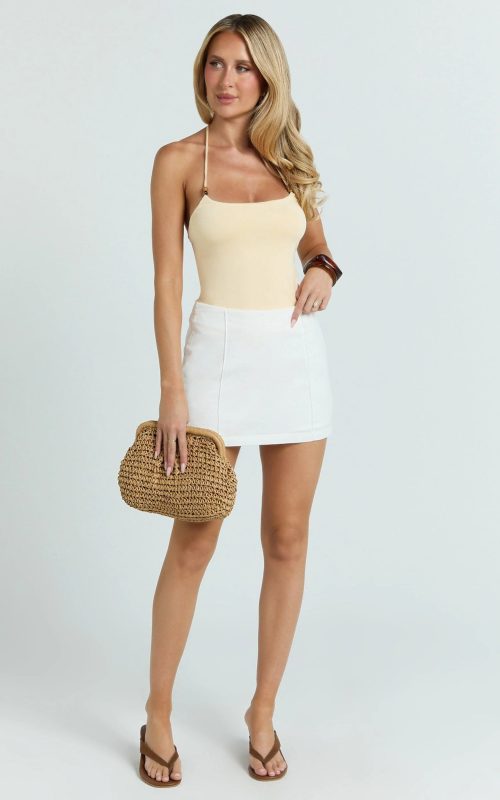
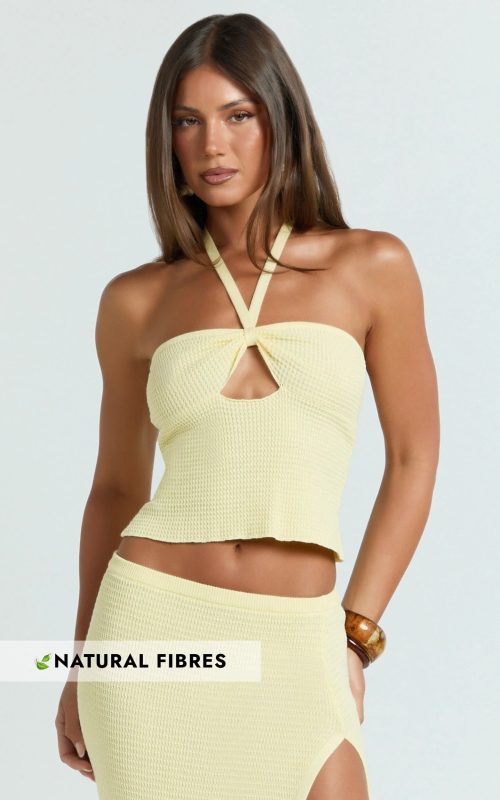
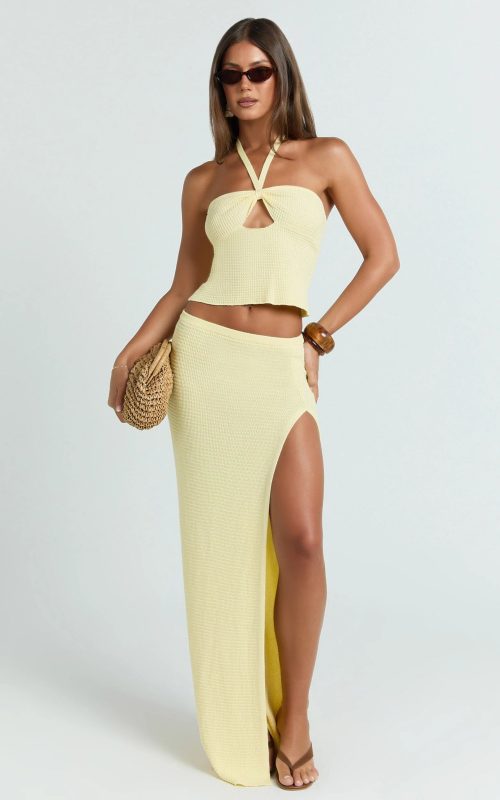
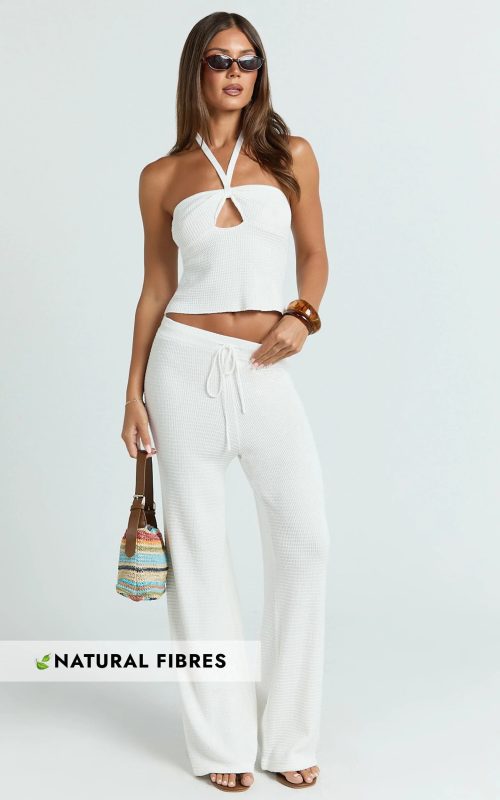
Six wardrobe ideas for workdays, weekends and city life. Select any story to view the full image and styling note.
SEASONAL COLOR FILE
The Seasonal Palette
Five understated shades chosen for their ability to work naturally with an everyday autumn and winter wardrobe.
Oat Beige
OAT BEIGE · #D8CBBB
Pair with white, warm brown and pale grey for a soft, understated combination.
Mist Blue
MIST BLUE · #8999A5
Combine with beige or charcoal for a quiet and balanced look.
Deep Burgundy
DEEP BURGUNDY · #7C343B
Use as an accent through knitwear, shoes or accessories.
Forest Green
FOREST GREEN · #394B40
Works beautifully alongside oat tones and deep brown.
Charcoal
CHARCOAL · #444442
Softer than pure black and easy to use across larger pieces.

EDITOR'S NOTE
Editor's Note
Clothes are punctuation marks in everyday life.
Personal style does not require constantly buying something new. More often, it comes from understanding familiar pieces more deeply. Once we know which proportions suit our routines and which colors work easily with the rest of our wardrobe, dressing begins to feel more intuitive.
Comfort is part of style too. Clothing designed for real life should allow us to sit, walk, work, eat and move naturally. Beautiful clothing does not need to exist separately from everyday life. The more naturally a garment fits into our day, the more meaningful it can become.
The same shirt can be worn with rolled sleeves, layered beneath knitwear or left open over a dress. Repetition does not mean a lack of creativity. It gives us the opportunity to understand what we genuinely enjoy wearing.
WEEKLY OUTFIT FORMULA
Four Easy Formulas
Simple combinations built from familiar pieces. No complicated styling required.
01
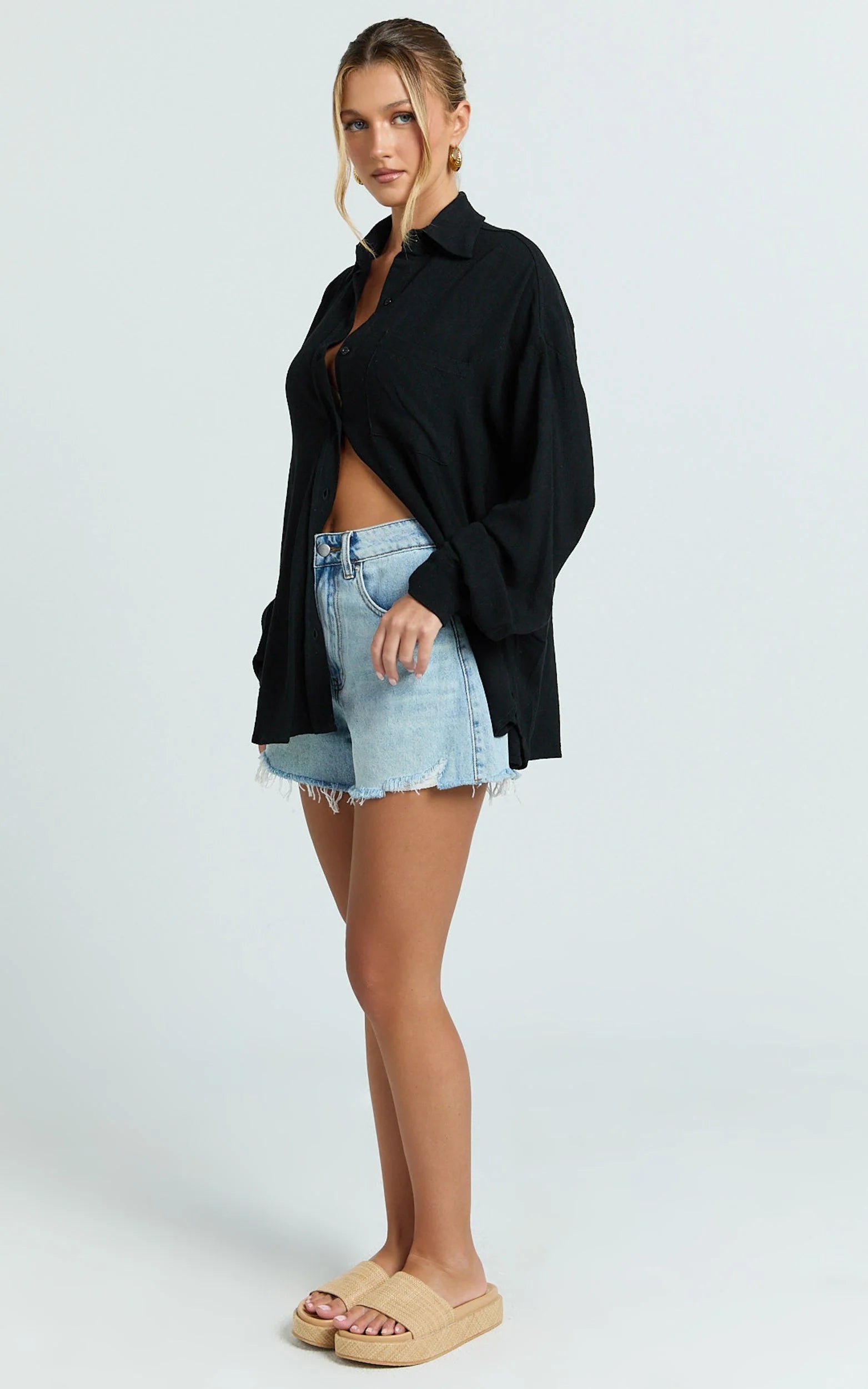
White Shirt + Knit Vest + Straight-Leg Trousers
CLEAN · SOFT · EVERYDAY
02
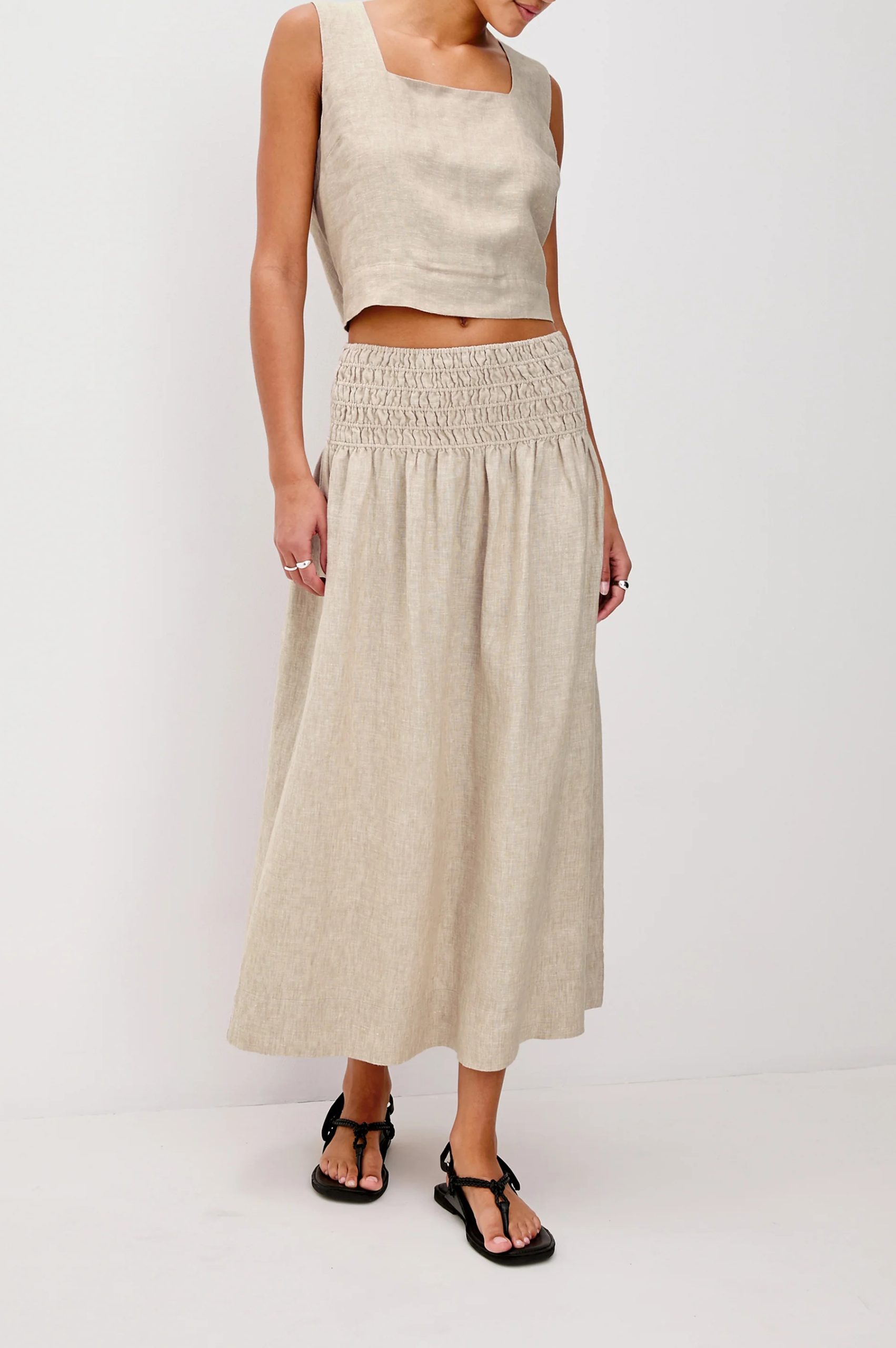
Cropped Jacket + High-Waist Skirt + Loafers
BALANCED · POLISHED · EASY
03
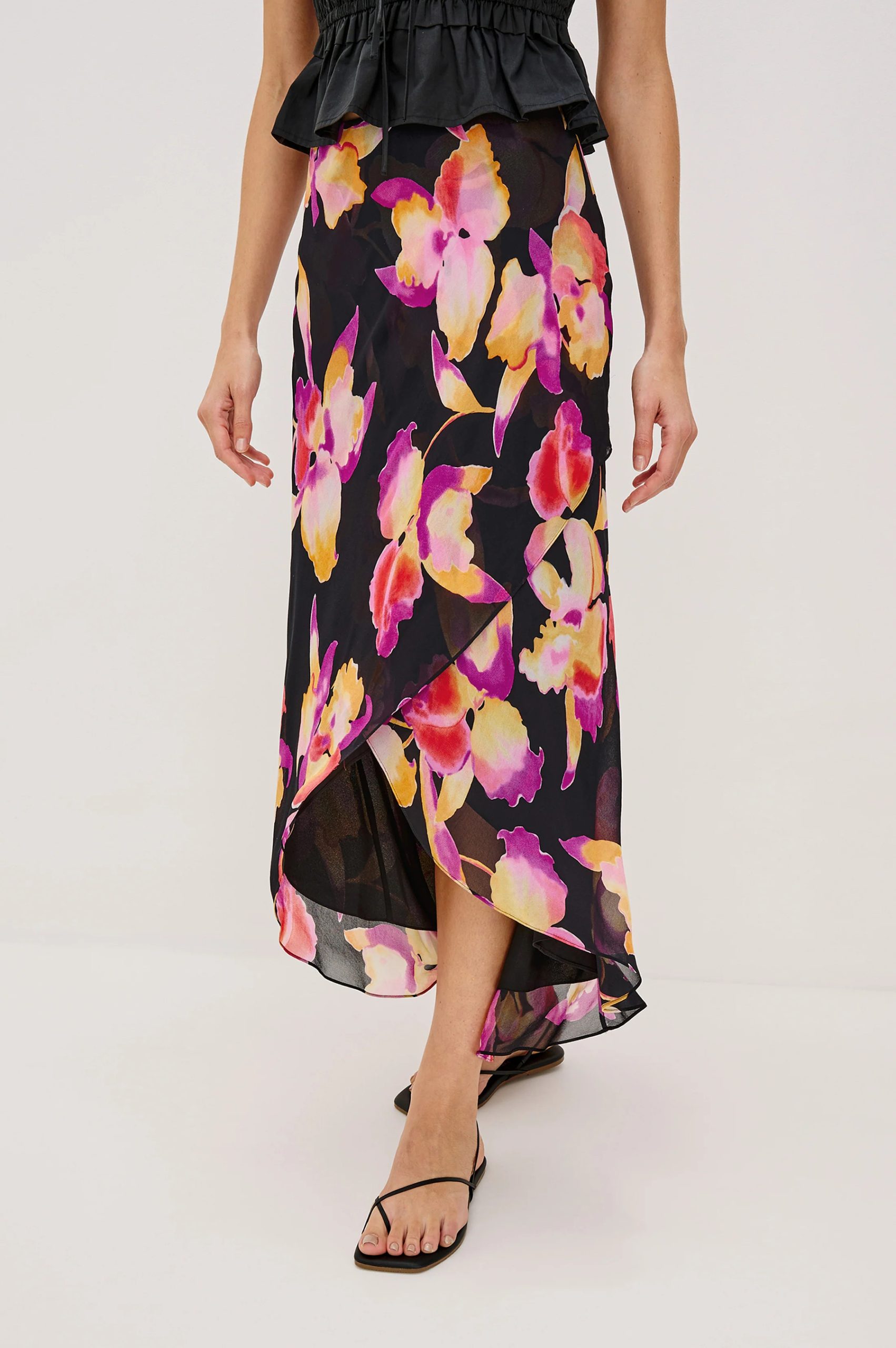
Relaxed Sweater + Satin Skirt + Ankle Boots
TEXTURE · MOVEMENT · WARMTH
04
Long Trench + Fine Knit + Dark Denim
CITY · LAYERED · TIMELESS
Style is not about having more.
It is about seeing familiar pieces differently.
A thoughtful wardrobe grows through repetition, curiosity and the freedom to rediscover pieces you already know.
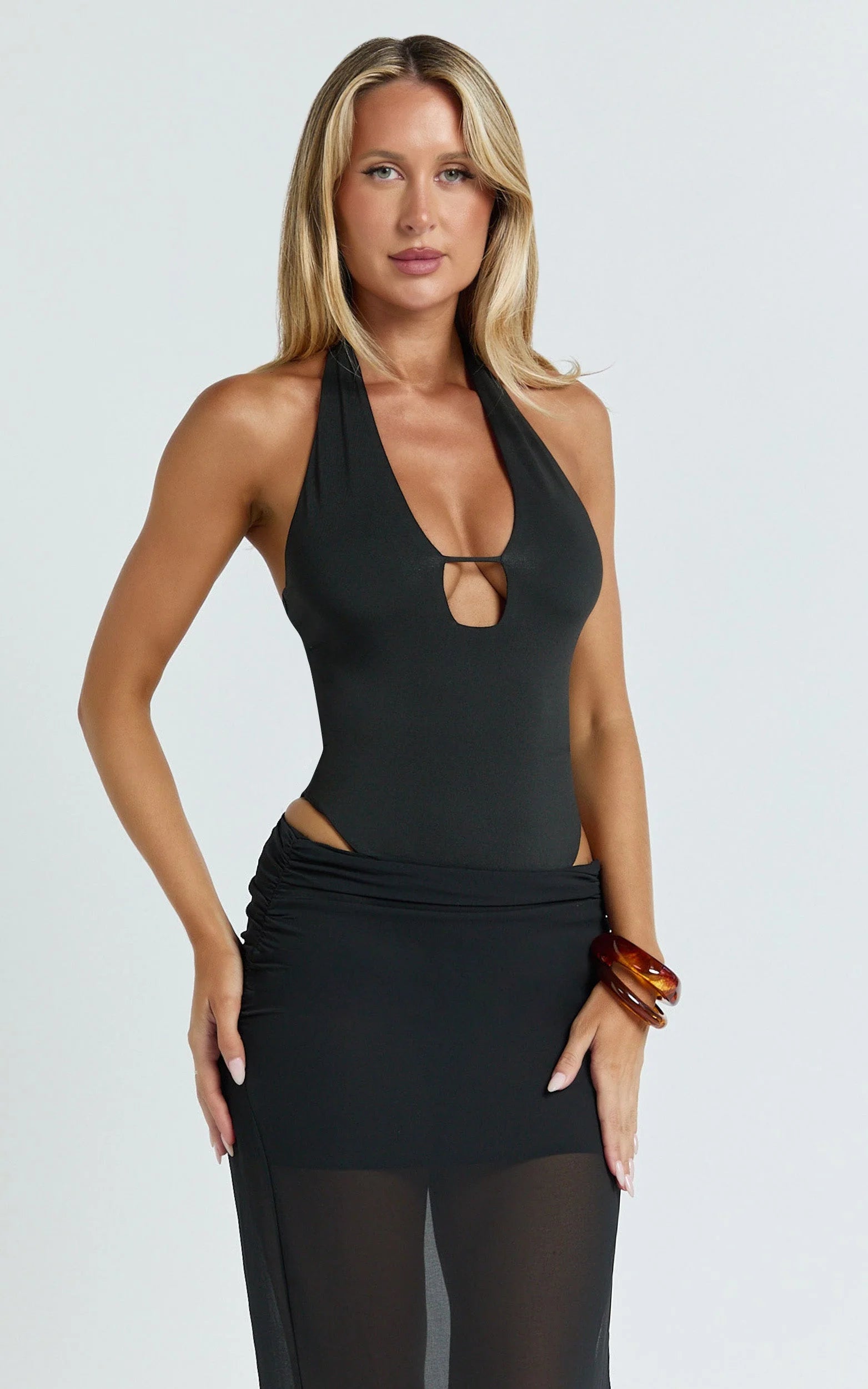
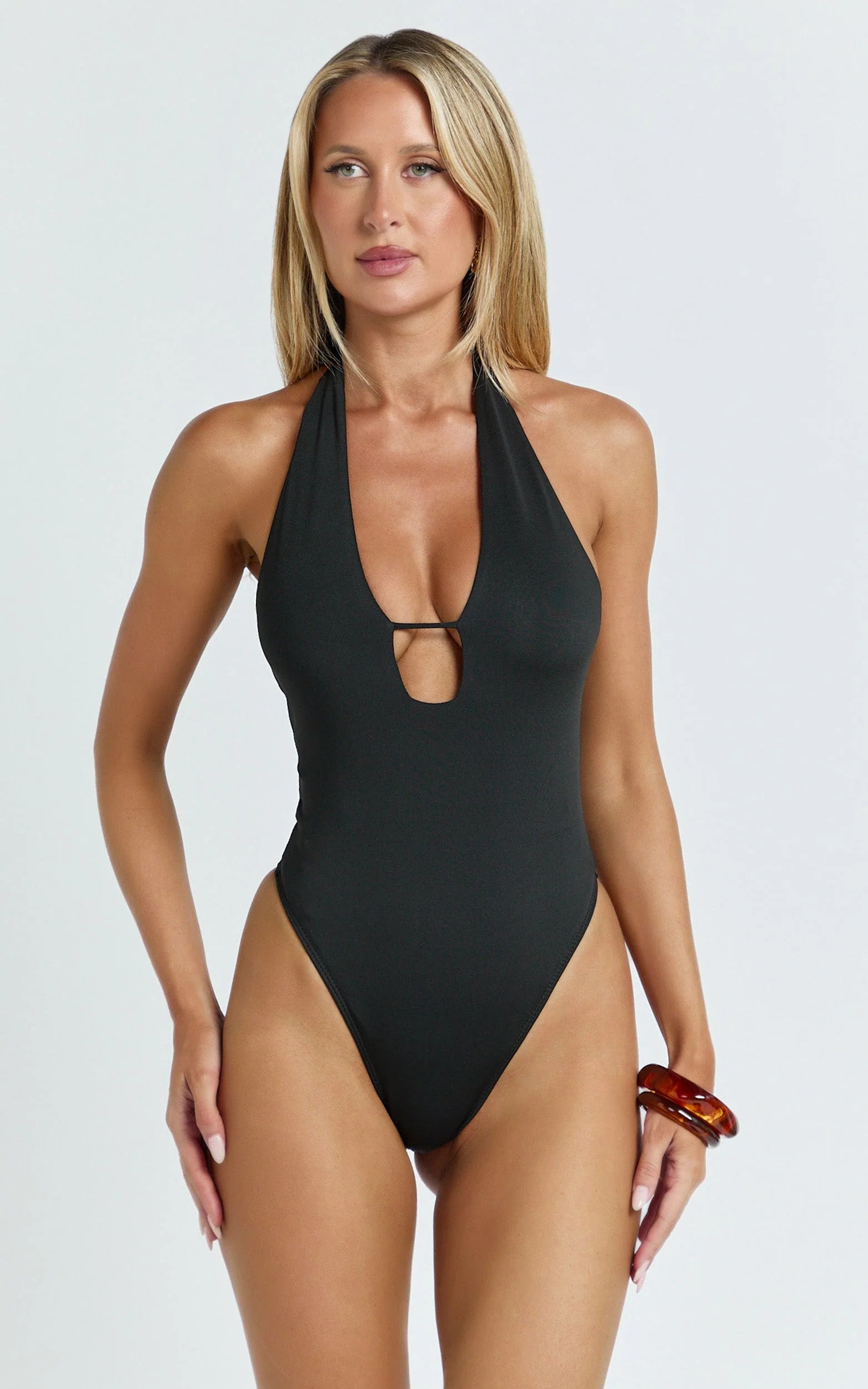
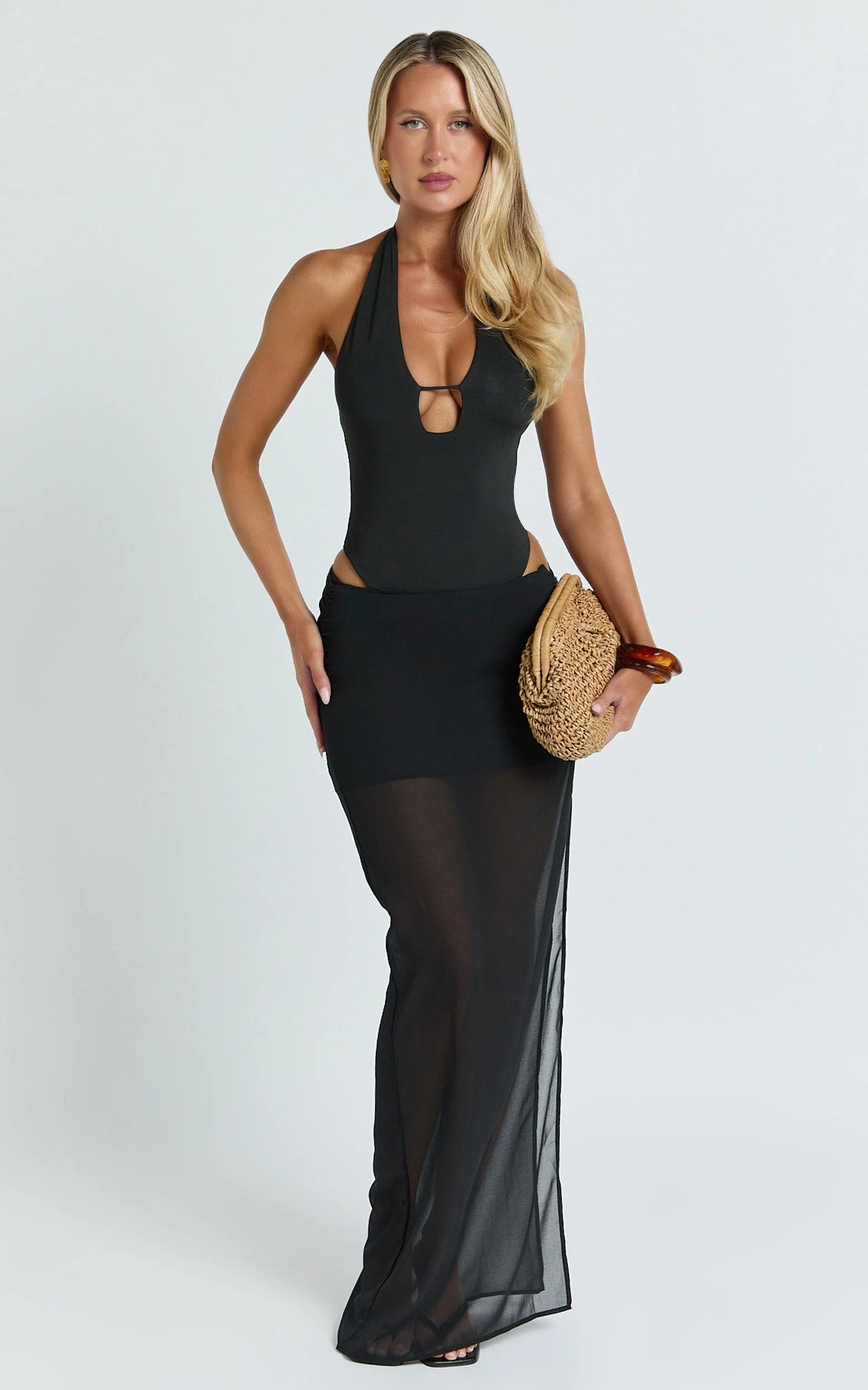
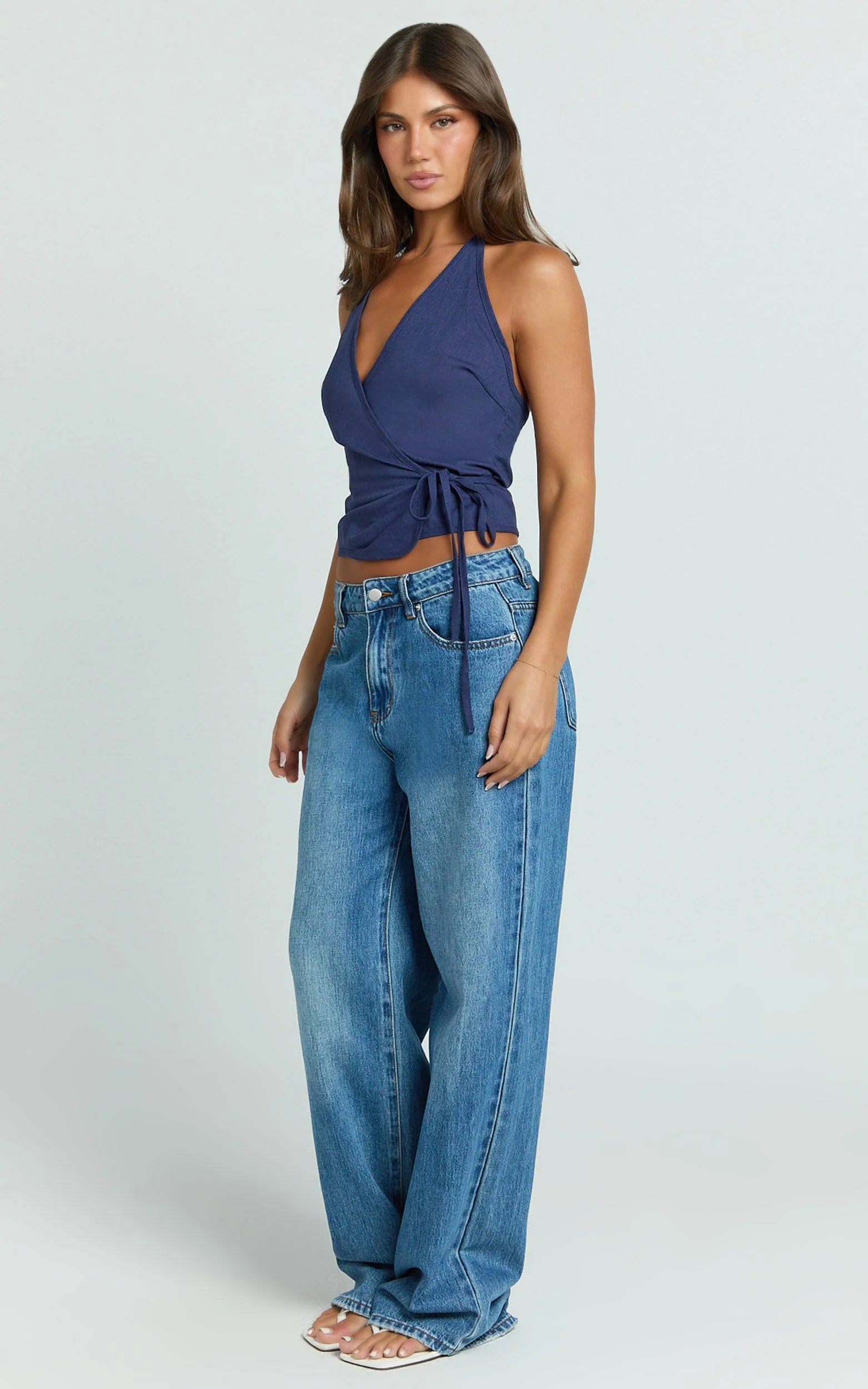
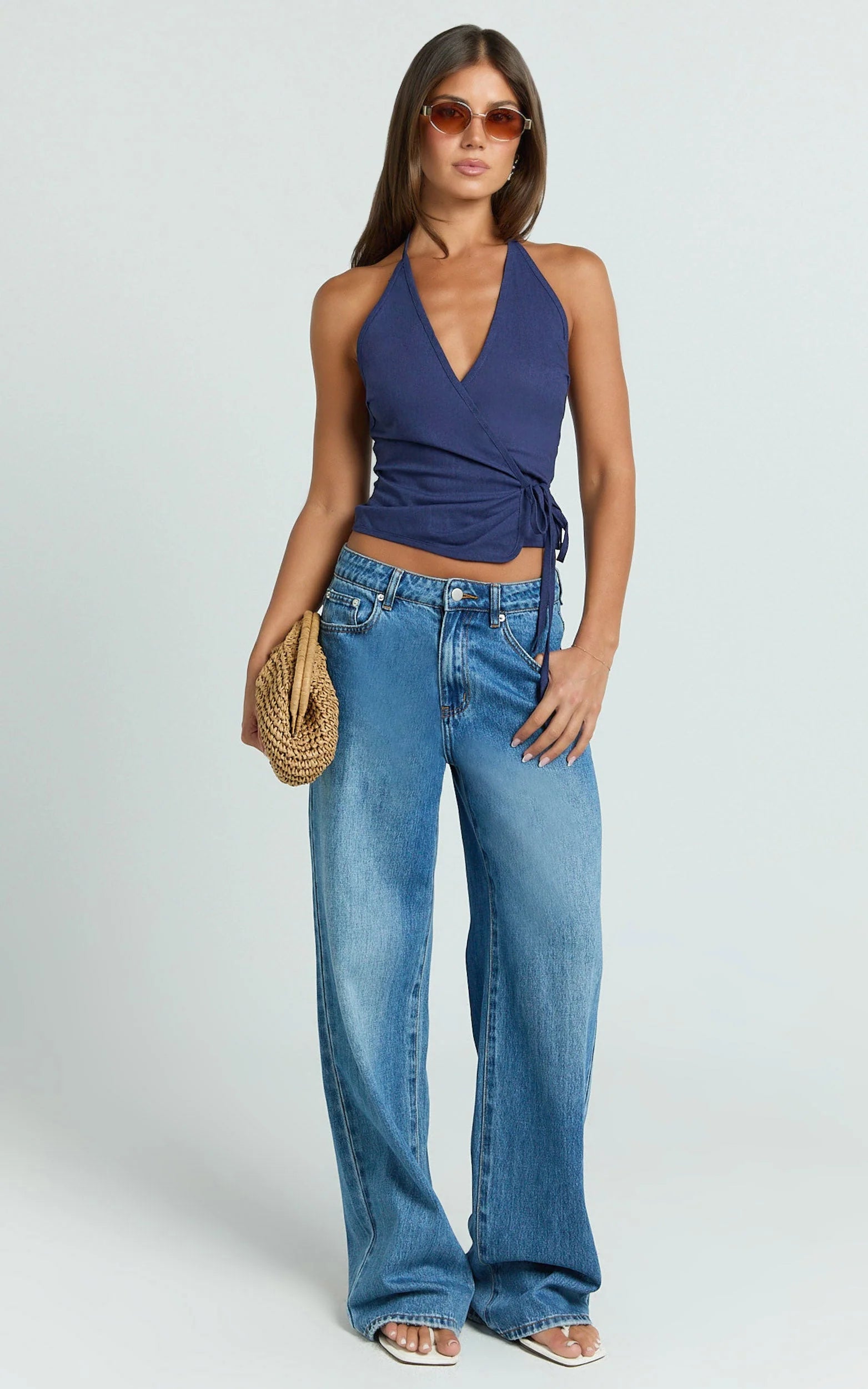
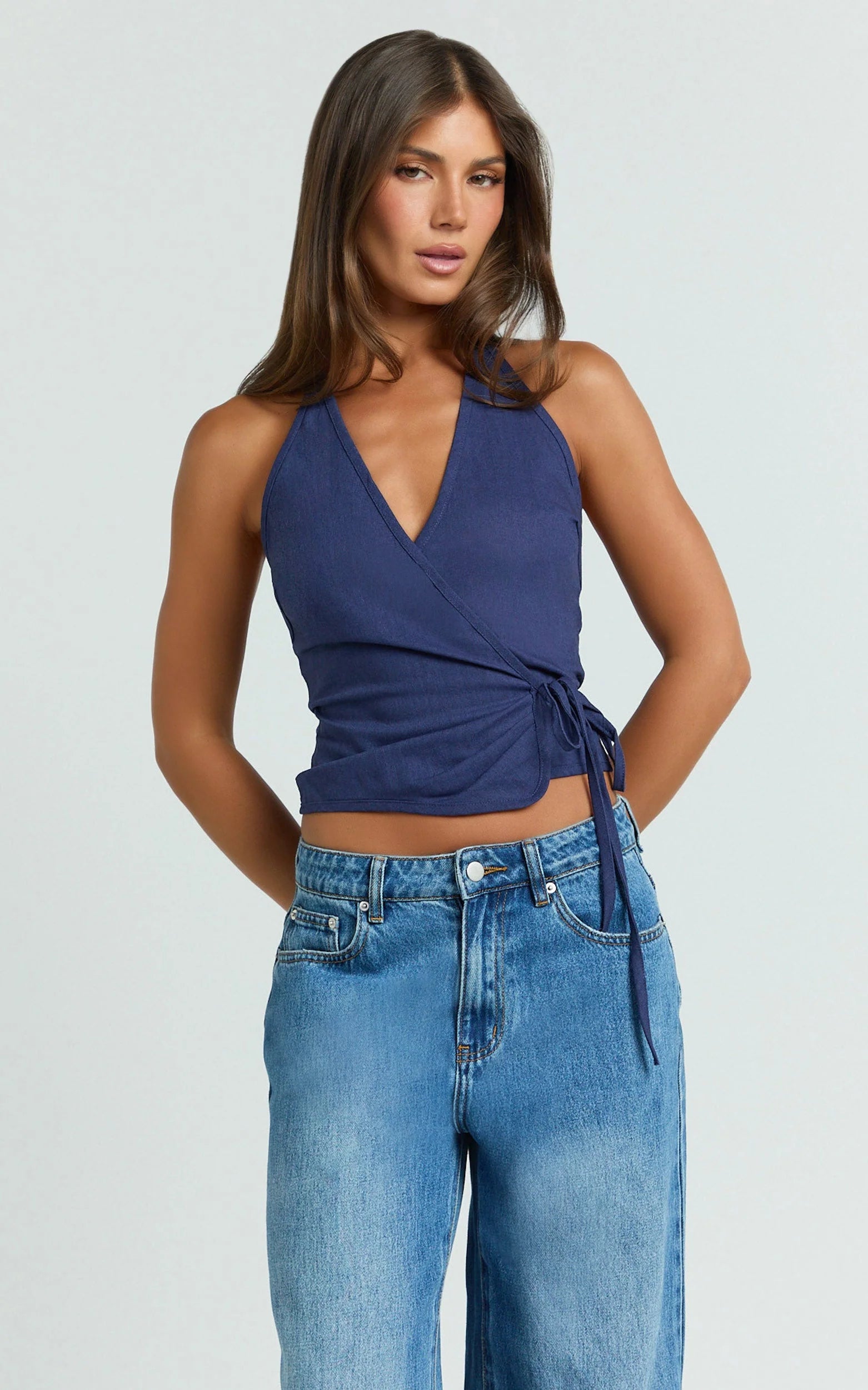
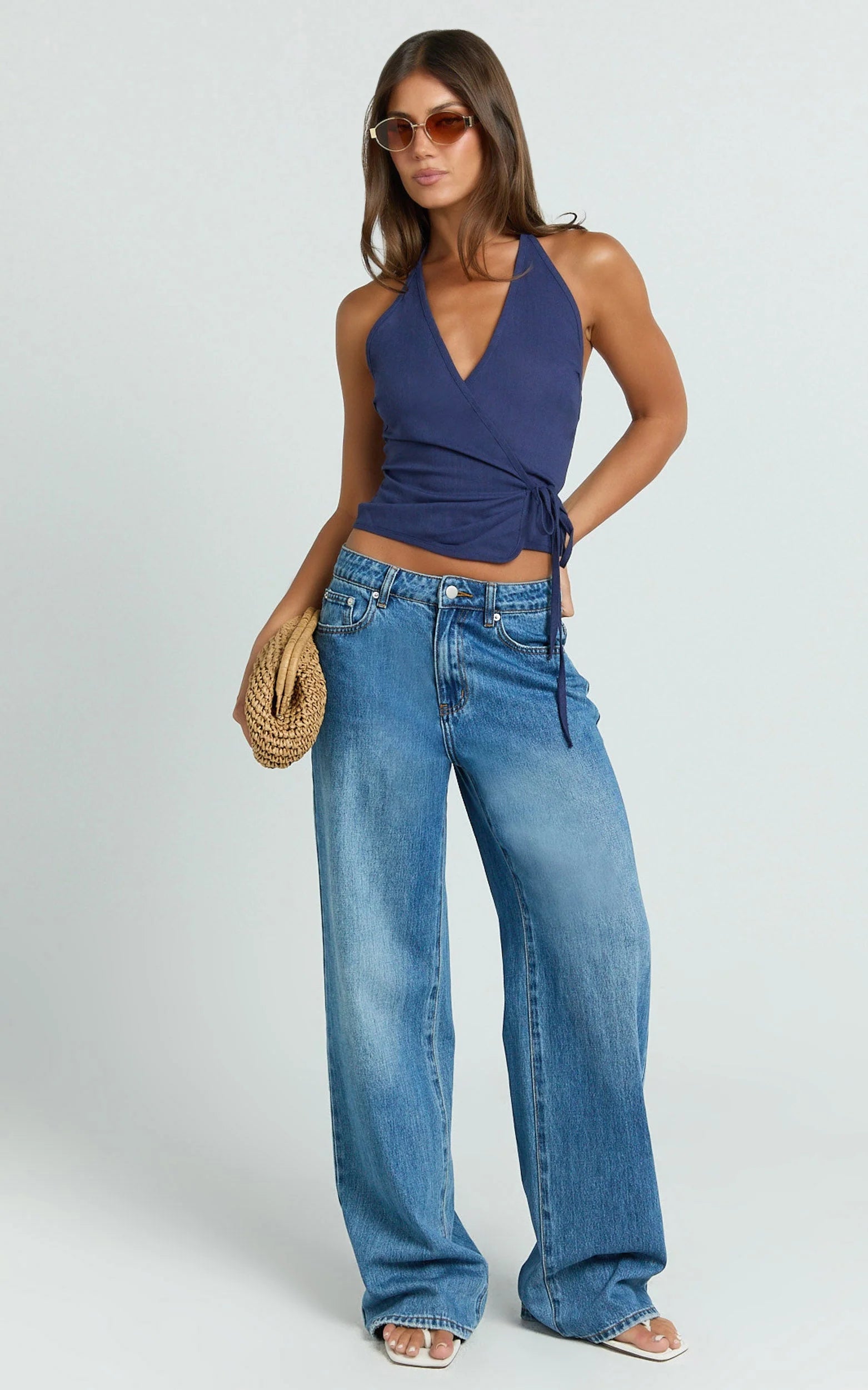
NEW THIS WEEK
SOFT
TRANSITION
WEEK 01 / AUTUMN EDITION
Between Seasons
A study in softened color, light layers, and pieces designed to move naturally from late summer into the first cooler days of autumn.

COLLECTION STORY
Soft Transition
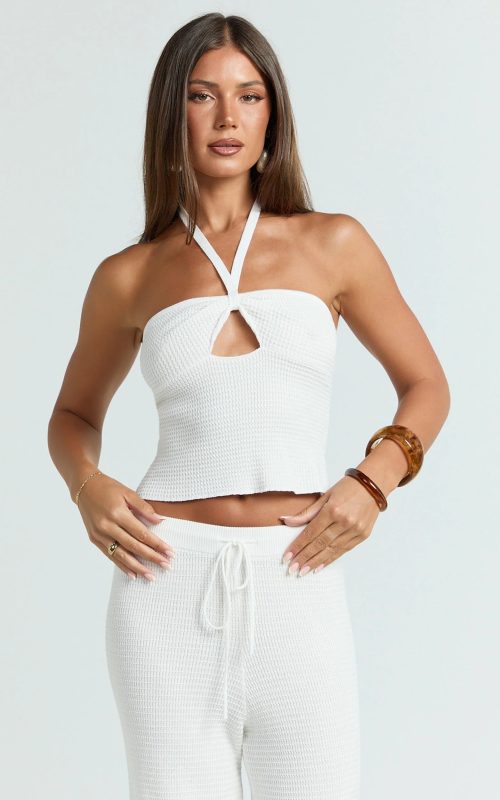
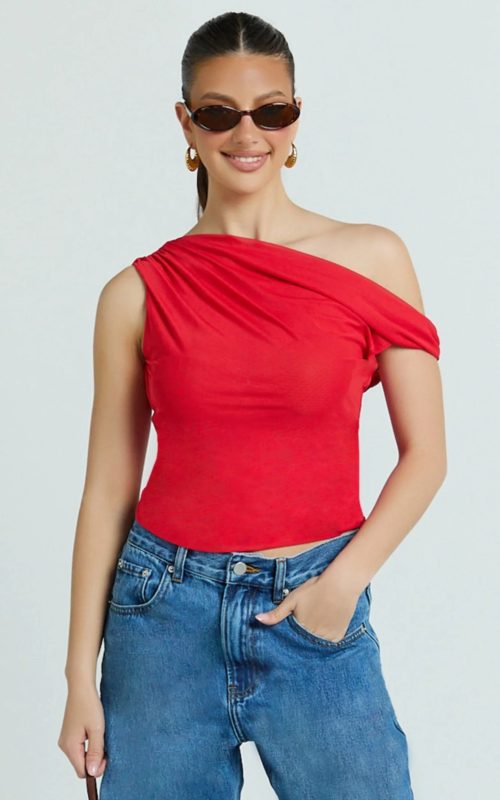
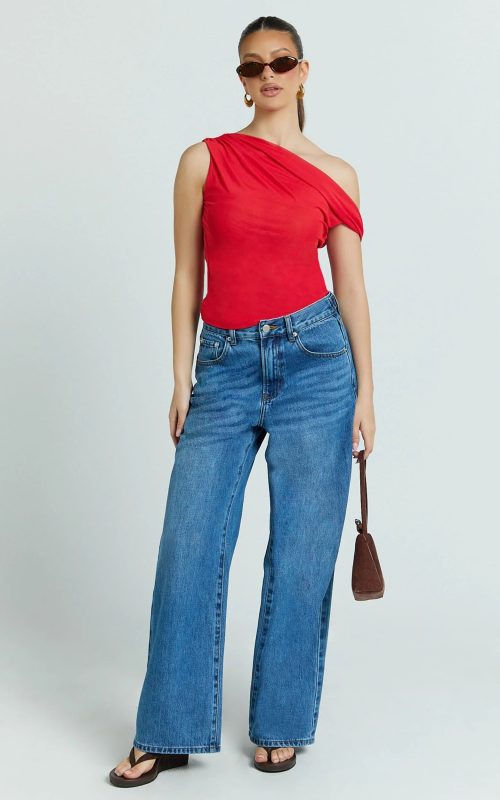
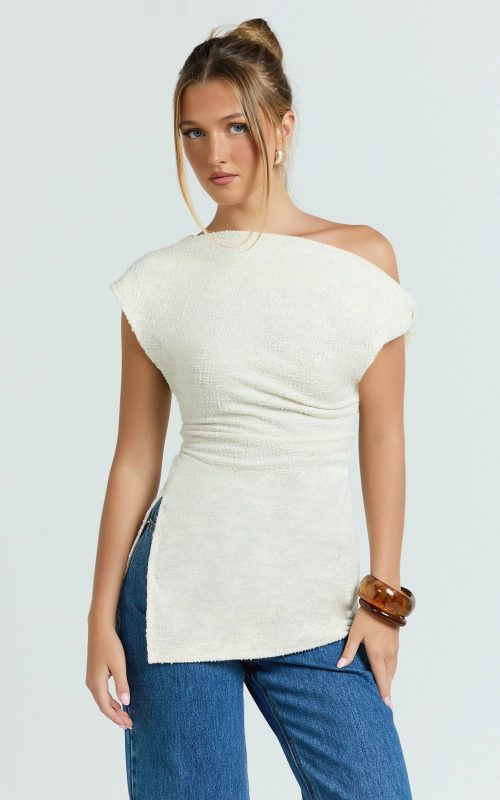
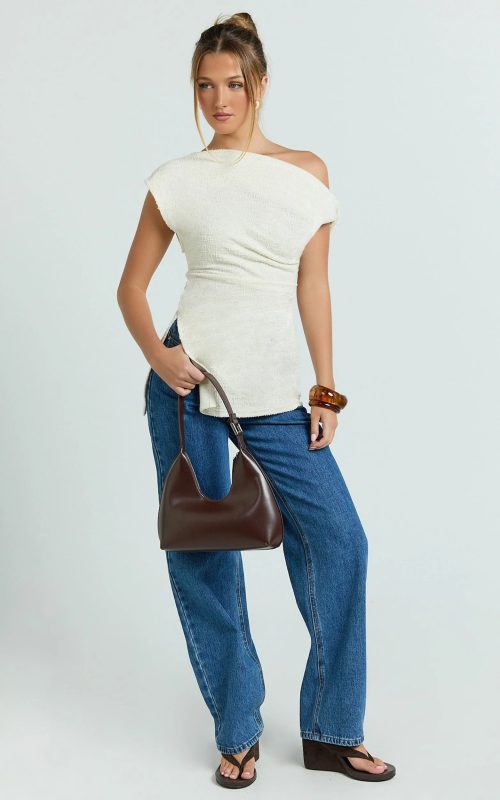
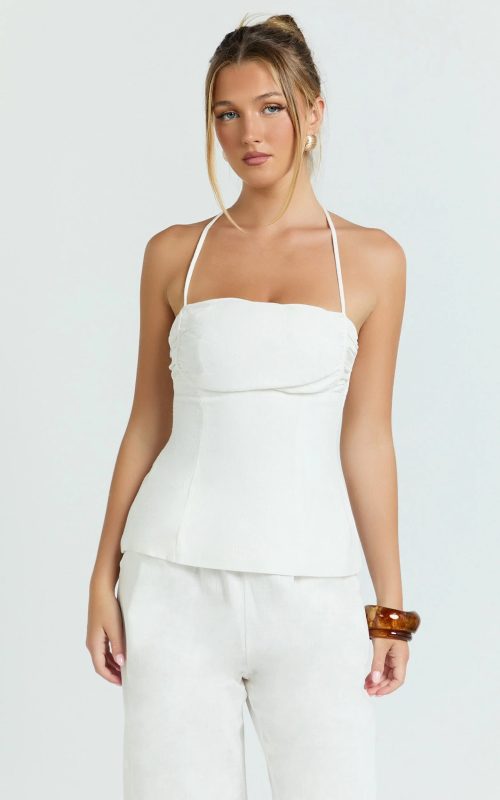
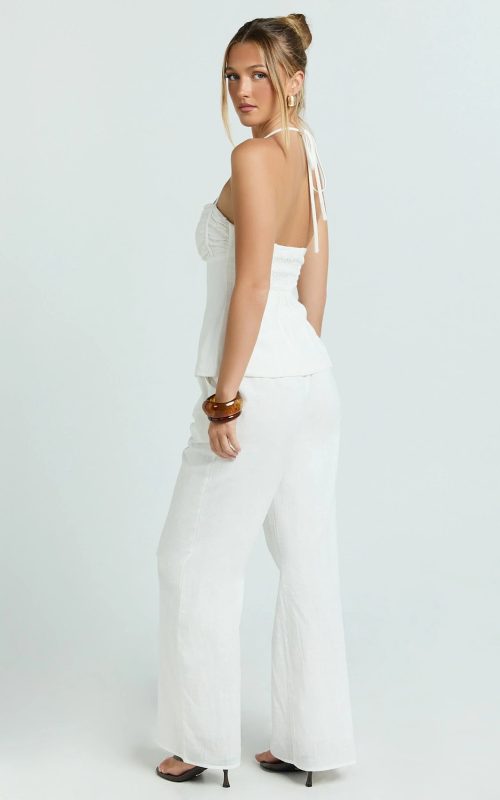
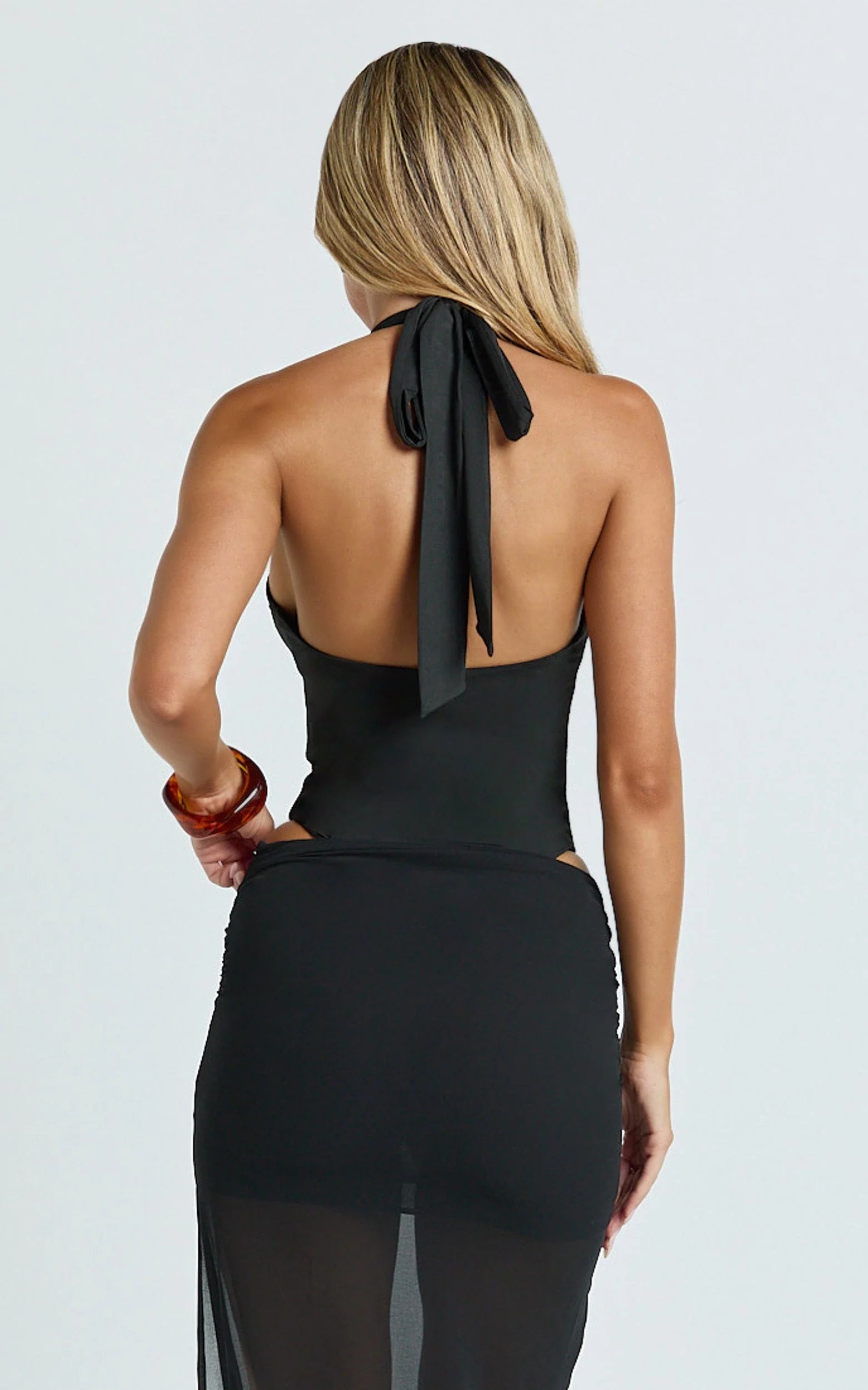
Soft Transition begins in the quiet space between late summer and early autumn, when dressing becomes less about a single season and more about adaptable layers. Oat beige and cream white establish a calm foundation, while mist blue, soft burgundy, and charcoal bring depth without overwhelming the palette. Fine knit, brushed cotton, lightweight wool, and fluid blended fabrics create subtle contrasts between warmth, movement, and structure. Relaxed shoulders and natural waistlines keep the silhouette easy, while cropped jackets, lightweight shirts, straight trousers, and fluid midi skirts bring definition where it matters. Each piece is intended to move naturally between weekday routines and slower weekends, working alone on warmer afternoons or layered as the temperature changes. The result is a wardrobe that feels considered rather than formal: soft in texture, controlled in proportion, and designed to make familiar everyday dressing feel slightly more intentional.
THE WEEKLY EDIT
01 / COLOR
Quiet Seasonal Tones
Oat beige, mist blue, soft burgundy, charcoal, and cream white.
02 / MATERIAL
Softly Textured Layers
Fine knit, brushed cotton, lightweight wool, and fluid blended fabrics.
03 / SILHOUETTE
Relaxed Structure
Relaxed shoulders, natural waistlines, fluid hems, and proportions designed for layering.
THE WEEKLY SELECTION
SHOP THE STORY
Explore pieces shaped by this week’s colors, textures, and relaxed proportions.

Oat Relaxed Knit Sweater
Fine-gauge knit with a soft, lightweight hand.
$68

Mist Blue Fluid Shirt
Smooth draped fabric with a clean matte finish.
$54

Burgundy High-Waist Midi Skirt
Fluid blended fabric with a softly structured waistband.
$62

Charcoal Lightweight Jacket
Lightweight brushed fabric designed for layering.
$88

Cream Essential Cardigan
Soft knit with a relaxed shoulder line.
$72

Deep Grey Straight-Leg Trousers
Textured woven fabric with a natural drape.
$76
WARDROBE NOTES / 01
CARE
GUIDE
THE ART OF KEEPING THINGS WELL
Thoughtful care helps clothing retain its shape, texture, and place in your wardrobe. This guide offers simple routines for washing, drying, steaming, and storing the fabrics worn most often.

ESSENTIAL PRINCIPLES
BEFORE YOU BEGIN
Good garment care usually starts with restraint: read the label, reduce unnecessary heat, and avoid washing simply out of habit.
01 / READ THE LABEL
Start With the Garment
Always follow the care label attached to the garment. When the label differs from general advice, the garment label should take priority.
02 / USE LESS HEAT
Choose the Gentler Setting
High temperatures can cause shrinking, fading, loss of elasticity, and surface damage. Begin with the gentlest suitable setting.
03 / WASH ONLY WHEN NEEDED
Refresh Before Rewashing
Airing, brushing, spot cleaning, and steaming can often refresh a garment without a complete wash.
MATERIAL NOTES
FABRIC CARE LIBRARY
Simple routines for the materials found most often in an everyday wardrobe.
General Care
Wash with similar colors using cool or warm water. Reshape while damp and air-dry when possible to reduce shrinking and preserve the surface.
Avoid
Excessive heat, overloading the machine, and leaving damp cotton folded.
General Care
Use a gentle cycle with cool water and mild detergent. Air-dry on a hanger or lay flat. Steam while slightly damp for a relaxed finish.
Avoid
High heat, aggressive spinning, and heavy creasing during storage.
General Care
Air between wears. Hand-wash or use a wool cycle only when the label allows it. Use cool water and dry flat in its natural shape.
Avoid
Hot water, rubbing, twisting, and hanging while wet.
General Care
Wash gently with a suitable wool cleanser. Press out moisture with a towel and dry flat. Fold for storage instead of hanging.
Avoid
Frequent washing, regular hangers, direct heat, and pulling loose fibers.
General Care
Follow the garment label carefully. Hand-wash suitable pieces in cool water or use professional cleaning when required. Steam from a safe distance.
Avoid
Direct sunlight, high heat, harsh detergent, and wringing.
General Care
Wash less frequently and turn garments inside out before washing. Use cool water to help maintain color and shape. Air-dry whenever possible.
Avoid
Hot dryers, excessive detergent, and washing after every wear.
General Care
Use a cool, gentle cycle and place delicate items inside a laundry bag. Air-dry to protect elasticity and reduce heat damage.
Avoid
High dryer temperatures, strong bleach, and ironing without checking the label.
LABEL LANGUAGE
CARE SYMBOL GUIDE
Care symbols offer the most reliable instructions for a specific garment. The examples below explain the categories you are most likely to encounter.
WASH
The wash tub indicates whether a garment can be machine-washed, hand-washed, or should not be washed in water.
WASHING METHOD
TEMPERATURE
Dots or numbers inside the wash symbol indicate the maximum recommended water temperature.
HEAT LEVEL
DRY
The square symbol explains whether the garment can be tumble-dried, air-dried, hung, or laid flat.
DRYING METHOD
IRON
The iron symbol and its dots indicate the maximum safe heat level.
IRONING HEAT
PROFESSIONAL CARE
A circle usually provides instructions intended for a professional cleaner.
SPECIALIST CLEANING
A crossed symbol means that the treatment should not be used.
THE EVERYDAY
CARE ROUTINE
A few low-effort habits can reduce unnecessary washing, help surfaces remain cleaner, and support the original shape of everyday garments.
01 / AIR
Let Fabric Breathe
Allow recently worn garments to air before returning them to the wardrobe.
02 / BRUSH
Remove Surface Dust
Use a soft garment brush to remove surface dust, lint, and loose fibers.
03 / STEAM
Refresh Gently
Use gentle steam to release wrinkles and refresh the fabric without unnecessary washing.
04 / STORE
Protect the Shape
Fold knitwear, support structured garments with suitable hangers, and leave space for air to circulate.
WARDROBE PRACTICE
STORAGE NOTES
Good storage is not about keeping a wardrobe perfectly arranged. It is about protecting shape, color, airflow, and clean fabric over time.

01
FOLD HEAVY KNITWEAR
Heavy sweaters can stretch when hung for long periods. Fold them loosely and avoid placing excessive weight on top.
02
SUPPORT TAILORING
Use broad, shaped hangers for coats, jackets, and structured garments.
03
PROTECT FROM LIGHT
Long exposure to direct sunlight may fade color and weaken some fibers.
04
ALLOW AIRFLOW
Avoid tightly packing clothing. Gentle airflow helps reduce trapped moisture and unwanted odor.
05
PREPARE FOR LONG-TERM STORAGE
Clean garments before seasonal storage and use breathable fabric bags rather than sealed plastic whenever appropriate.
FIRST RESPONSE
QUICK STAIN RESPONSE
Early treatment can help, but the safest response depends on the fabric, finish, dye, and instructions provided with the garment.
Always check the garment label and test any treatment on an inconspicuous area first. Delicate, structured, dyed, or valuable garments may require professional care.
WATER-BASED MARKS
Blot gently with a clean absorbent cloth. Avoid rubbing, which may spread the mark or disturb the fabric surface.
OIL-BASED MARKS
Blot excess oil without pressing it deeper into the fibers. Avoid applying heat before the mark has been treated.
MAKEUP
Lift excess product carefully and blot rather than rub. Check the care label before using any cleaning solution.
MUD
Allow the mud to dry when appropriate, then brush away loose material before treating the remaining mark.
COMMON QUESTIONS
CARE QUESTIONS
Simple answers to everyday garment-care questions, with the care label always remaining the final reference for a specific piece.
Knitwear often benefits from airing between wears. Wash only when needed and always follow the garment label.
Most knitwear should be folded. Hanging can cause the shoulders and body to stretch over time.
No. Check the care label first, keep the steamer at a suitable distance, and take special care with delicate finishes.
Cool water is often gentler, but the care label remains the most reliable instruction for each garment.
Airing, brushing, spot cleaning, and careful steaming can refresh many garments between washes.
FINAL NOTE
A LONGER LIFE FOR FAMILIAR THINGS
Care is not a demand for perfection. It is a quiet habit: washing only when needed, using less heat, restoring shape, and storing each garment with enough space. Small routines can help familiar clothes remain useful, comfortable, and part of everyday life for longer.
This guide provides general information. Always follow the care label supplied with the garment. When uncertain, consult a qualified garment-care professional.
